

At some point by the mid 1980s, I had stopped doing much of anything. My writing, music, and photography had stopped. I was working odd jobs and sliding into oblivion. I somehow managed to crawl out from the madness, but it took a lot of energy to simply rebuild my life, which I was happy enough to do.
By the mid 1990s, I was getting itchy to create again. I pulled out my old typewriter. I bought a used camera. I restrung the one guitar I had not sold. But I wanted a spark and signed up for a continuing education class at the New School for Social Research, in Greenwich Village.
I wanted to take a course on paranormal phenomena, but nobody had signed up, so I switched it to a course on “abnormal psychology,” which was interesting. After that, I took a writing course, even though I had written for much of my life. They offered a course on “Writing for Freelance Journalism,” taught by a woman from Columbia University.
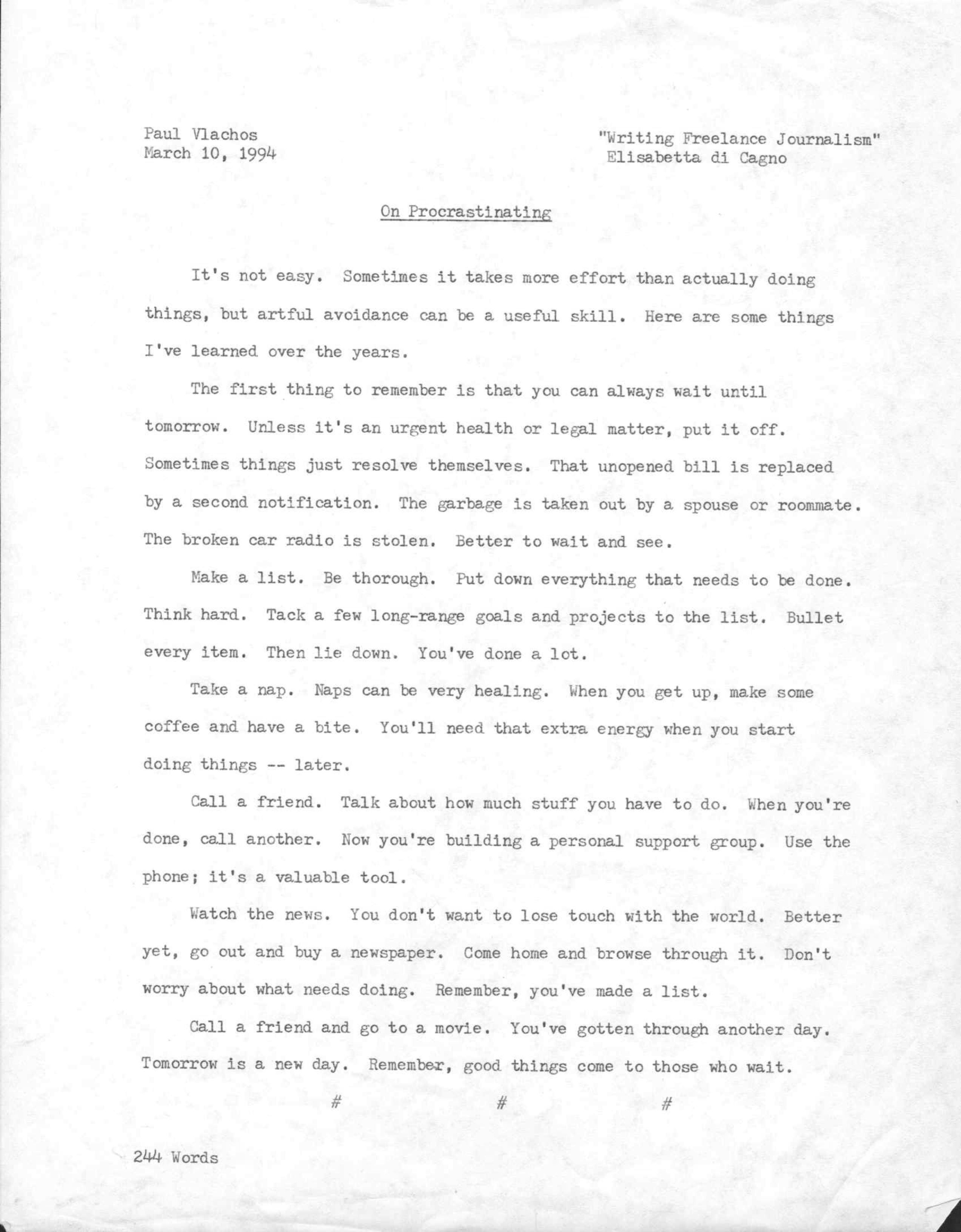
The first assignment was to write something that was no more than 250 words. I tackled an issue that was really dogging me at the time. From the vaults, this is it…
On Procrastinating
It’s not easy. Sometimes it takes more effort than actually doing things, but artful avoidance can be a useful skill. Here are some things I’ve learned over the years.
The first thing to remember is that you can always wait until tomorrow. Unless it’s an urgent health or legal matter, put it off. Sometimes things just resolve themselves. That unopened bill is replaced by a second notification. The garbage is taken out by a spouse or roommate. The broken car radio is stolen. Better to wait and see.
Make a list. Be thorough. Put down everything that needs to be done. Think hard. Tack a few long-range goals and projects to the list. Bullet every item. Then lie down. You’ve done a lot.
Take a nap. Naps can be very healing. When you get up, make some coffee and have a bite. You’ll need that extra energy when you start doing things -- later.
Call a friend. Talk about how much stuff you have to do. When you’re done, call another. Now you’re building a personal support group. Use the phone; it’s a valuable tool.
Watch the news. You don’t want to lose touch with the world. Better yet, go out and buy a newspaper. Come home and browse through it. Don’t worry about what needs doing. Remember, you’ve made a list.
Call a friend and go to a movie. You’ve gotten through another day. Tomorrow is a new day. Remember, good things come to those who wait.
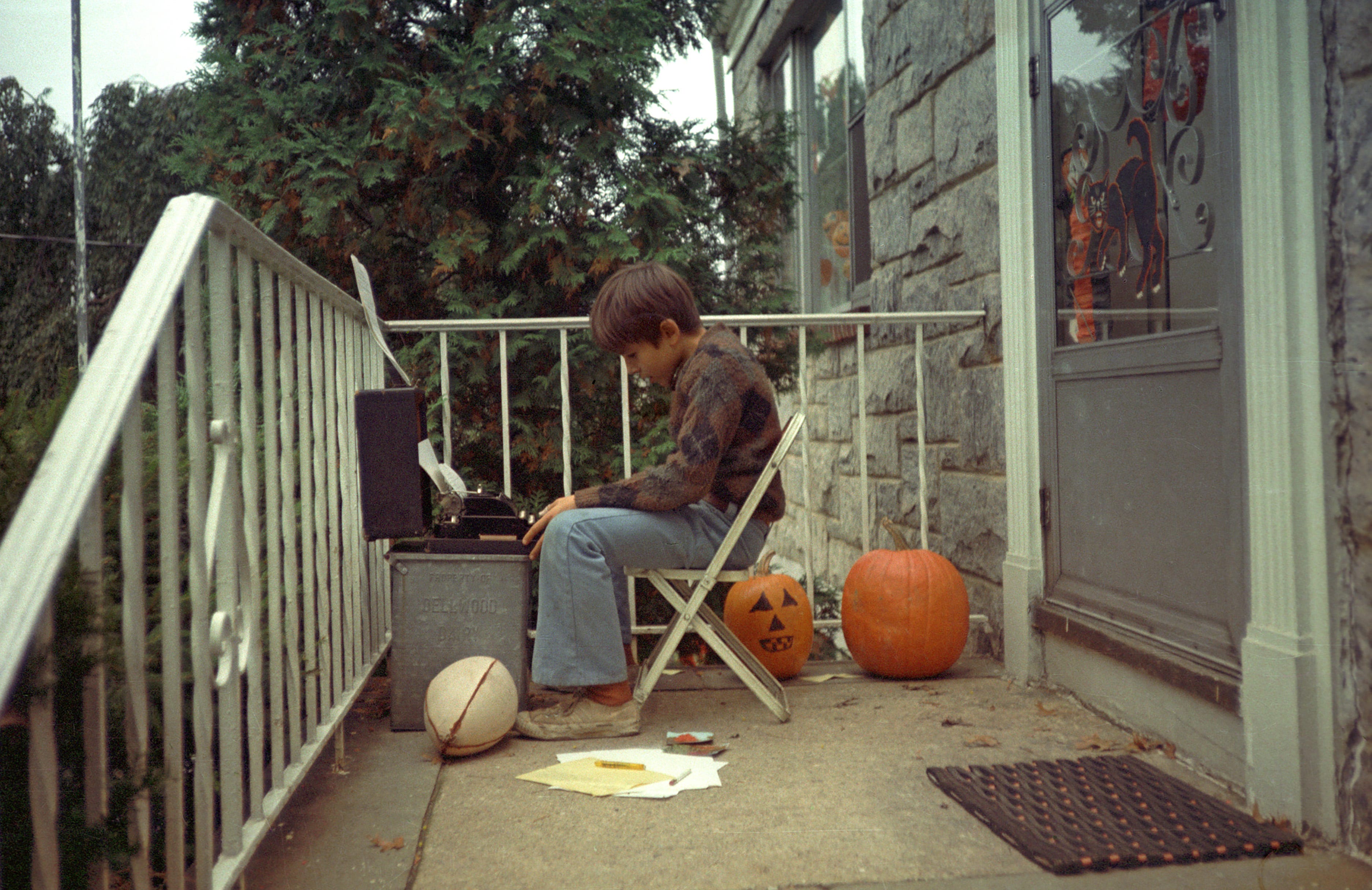
Paul Vlachos is a writer, photographer and filmmaker. He was born in New York City, where he currently lives. He is the author of “The Space Age Now,” released in 2020, “Breaking Gravity” in 2021, and 2023’s “Exit Culture.”
If you enjoyed this post, hit the ♡ to let us know.
If it gave you any thoughts, please leave a comment.
If you think others would enjoy it, hit re-stack or share:
If you’d like to read more:
And if you’d like to help create more Juke, upgrade to a paid subscription (same button above). Otherwise, you can always help with a one-time donation via Paypal or Venmo.
Hysterical! You've just described my modus operandi.
Loved reading this so early in the day. I'm up doing things, preparing for more doctor's visits than I've ever needed, feeding the cats their small portions on their 5x day schedule, 8, 12, 4, 8, and a tiny meal at 10:30pm. Taking good care of them who I depend on as much as they depend on me and Nic. I doubt you ever procratinated on any of your pets. Not even Droopy, who I believe was your first, but not sure. I can't believe I had the chance to meet and pet him. He was a beautiful dog. All of yours have been well taken care of, never a procrastination there. Moee like to the vet asap if something was up. This piece was so simple, a lovely introduction to your earliest work. Thanks, Paul. Loved the photo, too.