
The Woman Who Taught Russia to See Itself
How Countess Sophia Tolstoy — assigned to disappear — chose instead to look around and write it all down and photograph it and paint it...

Note: Today’s essay is a guest piece from M Sebastian Araujo, who writes “The Magpie Chronicles.”
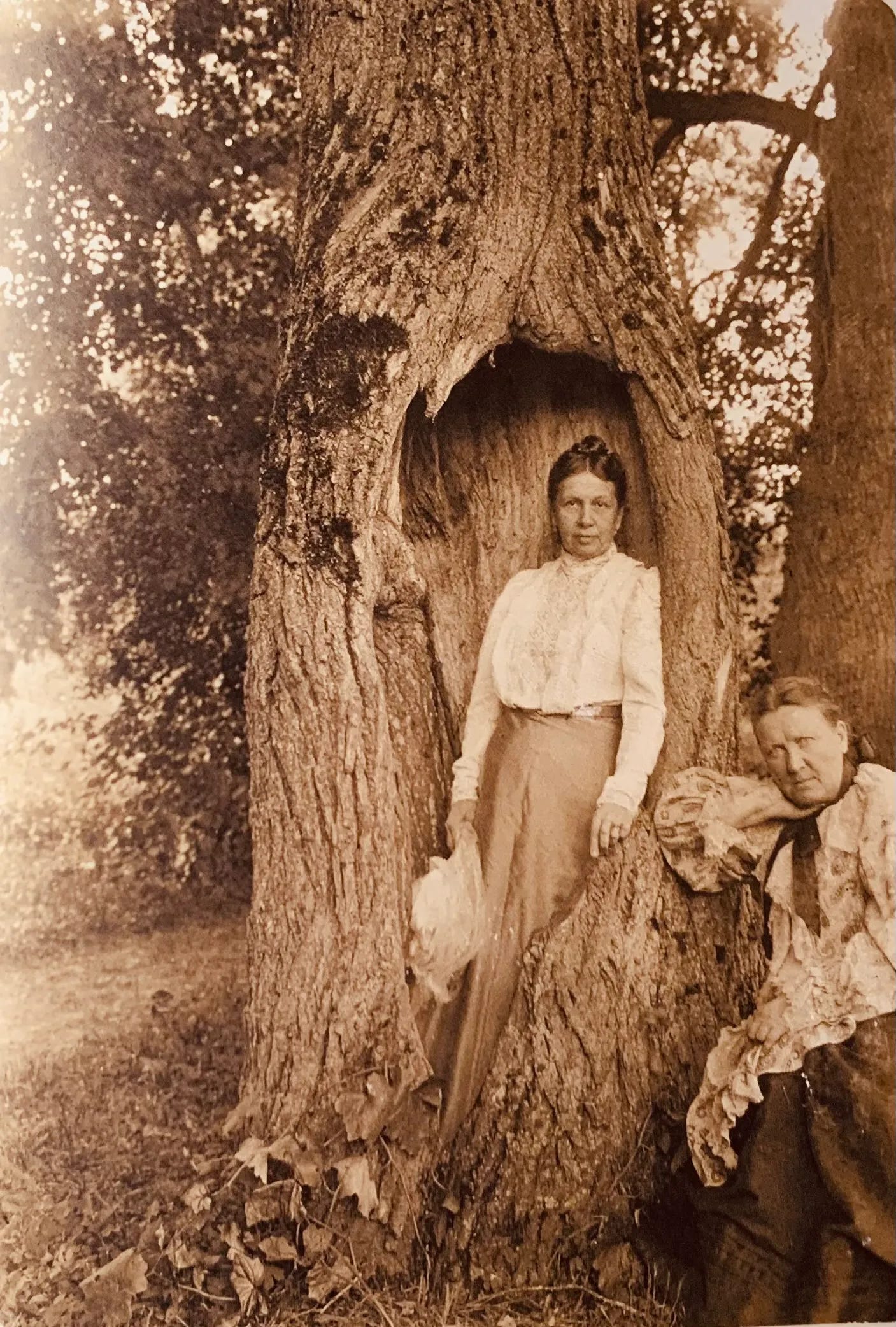
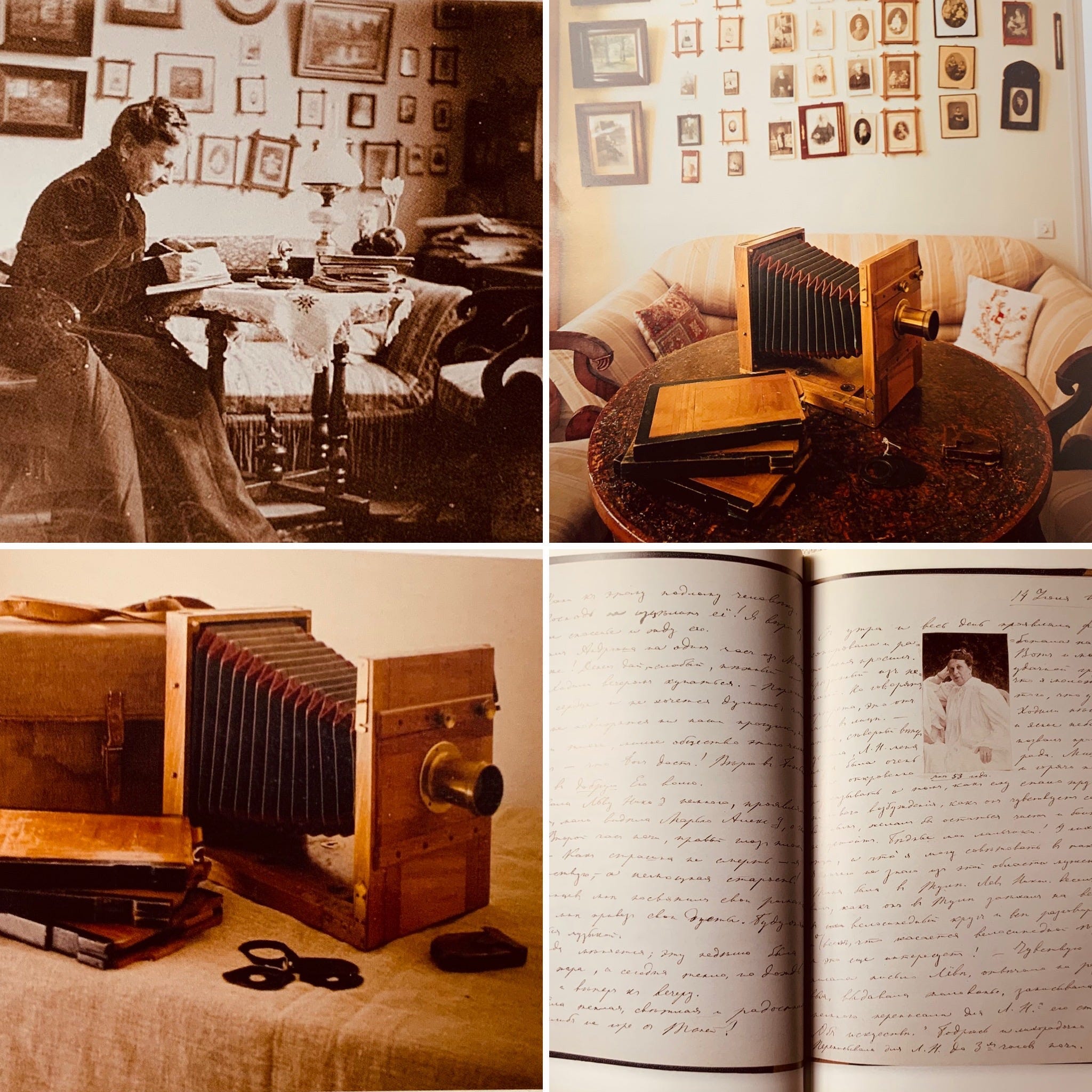
IN the winter of 1897, while her husband slept, Sophia Tolstoy descended to the closet under the staircase at Yasnaya Polyana, the Tolstoy family estate, closed the door, and worked in complete darkness. She was developing photographs. Glass plates, 13 by 18 centimeters, exposed by her own hand. Her diary entry from that period records the guilt she felt about the time she spent — time stolen from her “real” duties, from the manuscript she was copying, from the house she managed, from the children she raised, from the legend she serviced.
Lev Tolstoy had told her that photography was frivolous.
She went back to the closet anyway.
She was assigned to disappear, She chose instead to look.
The Weight of the Camera
BEFORE we get to the photographs — and we must get to the photographs, because they are extraordinary — we need to understand what it cost her to make them. Not financially. The Tolstoys, despite Lev’s fashionable flirtation with poverty, were landed aristocrats. The cost was something harder to account for: time, permission, and the daily negotiation of a woman trying to be an artist inside a life that had not been designed for her art.
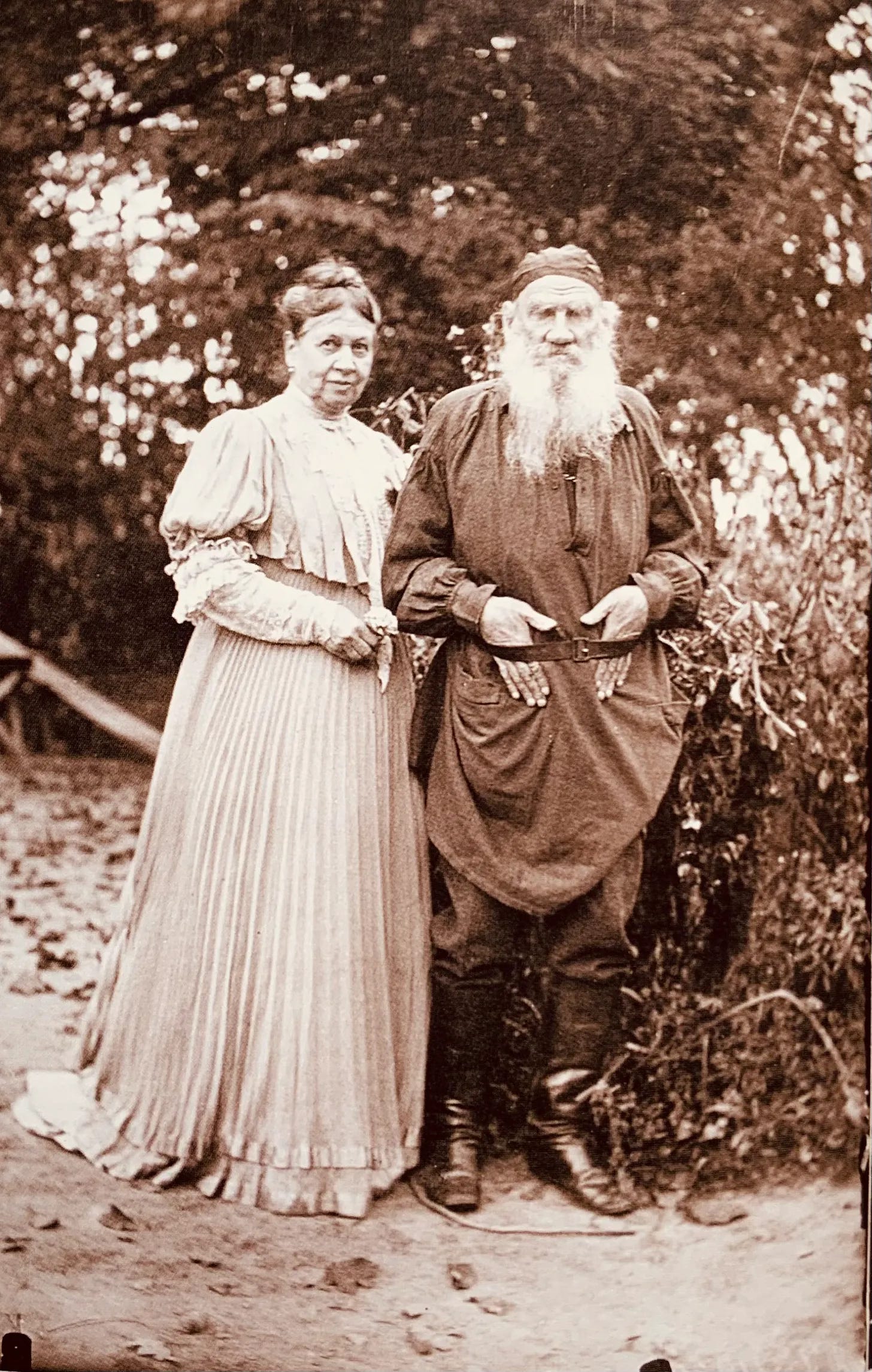
Sophia Andreyevna Tolstoy married Lev Nikolayevich Tolstoy in 1862…
She was eighteen. He was thirty-four. She would go on to bear thirteen children, manage the Yasnaya Polyana estate, handle all correspondence, negotiate publishing contracts, and hand-copy War and Peace — all one thousand two hundred pages of it — seven times. Seven. By candlelight. Often through the night. When the manuscript changed, she copied it again.They were a creative Power Couple with land serfs and ideas…
THIS is the woman history has given us: the amanuensis.
The helpmate.
The devoted shadow.
And she was all of those things. But in 1885, twenty-three years into the marriage, she picked up a Kodak wooden bellows plate camera — and something shifted.
She had no training. No teacher. No darkroom. She built one under the stairs. She taught herself chemistry and exposure and development by trial and terrible error. Her diary from August 1897 is almost unbearable to read: “I waste my time on unsuccessful photographs... which makes me feel very guilty.” And then, days later, she is back at it. The guilt did not stop her. Nothing stopped her.
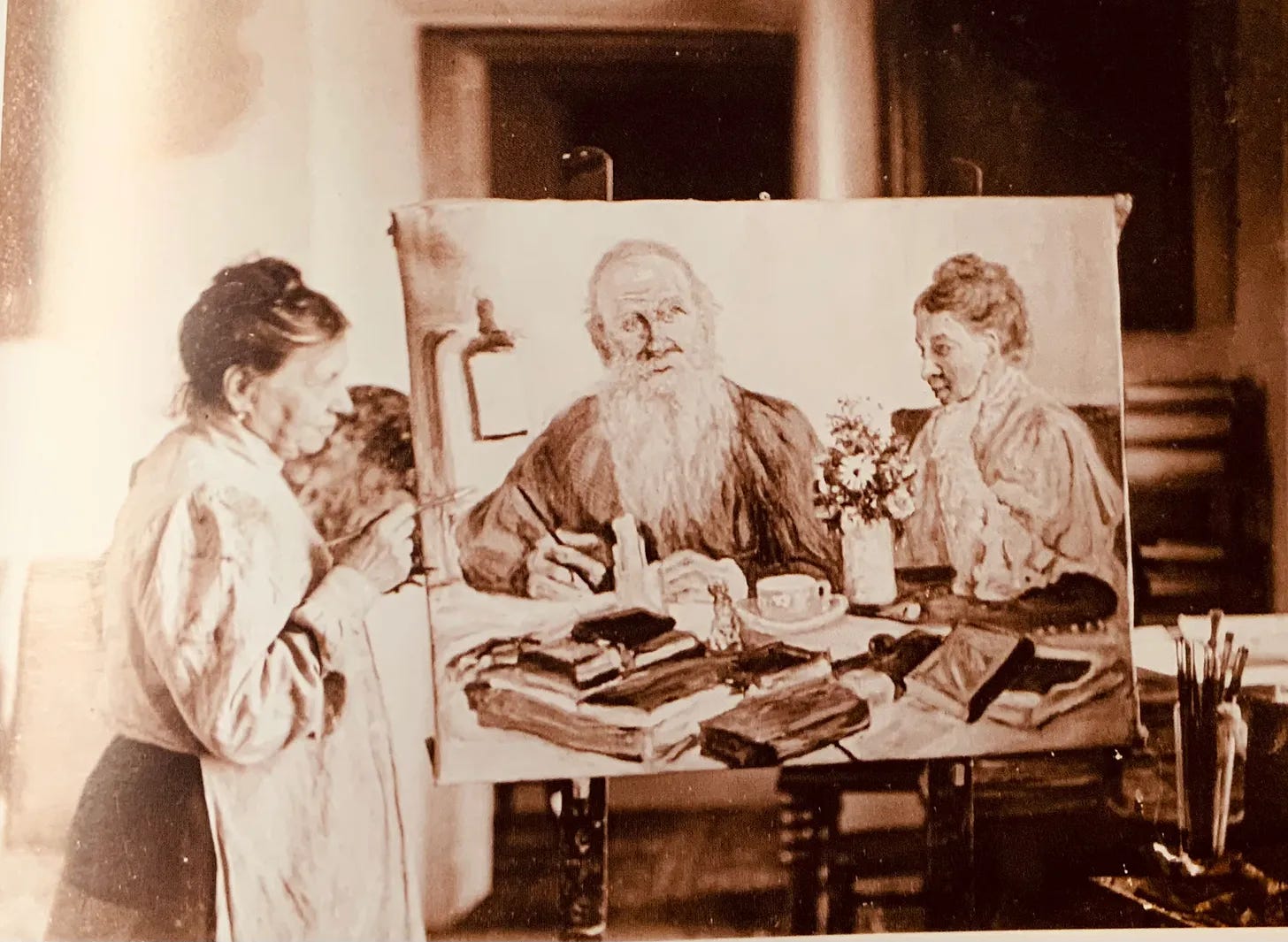
She also painted wrote and played music as all girls from her class were taught to do…
She hand-copied War and Peace seven times.
Then she went into the darkrrom under the stairs and developed images…
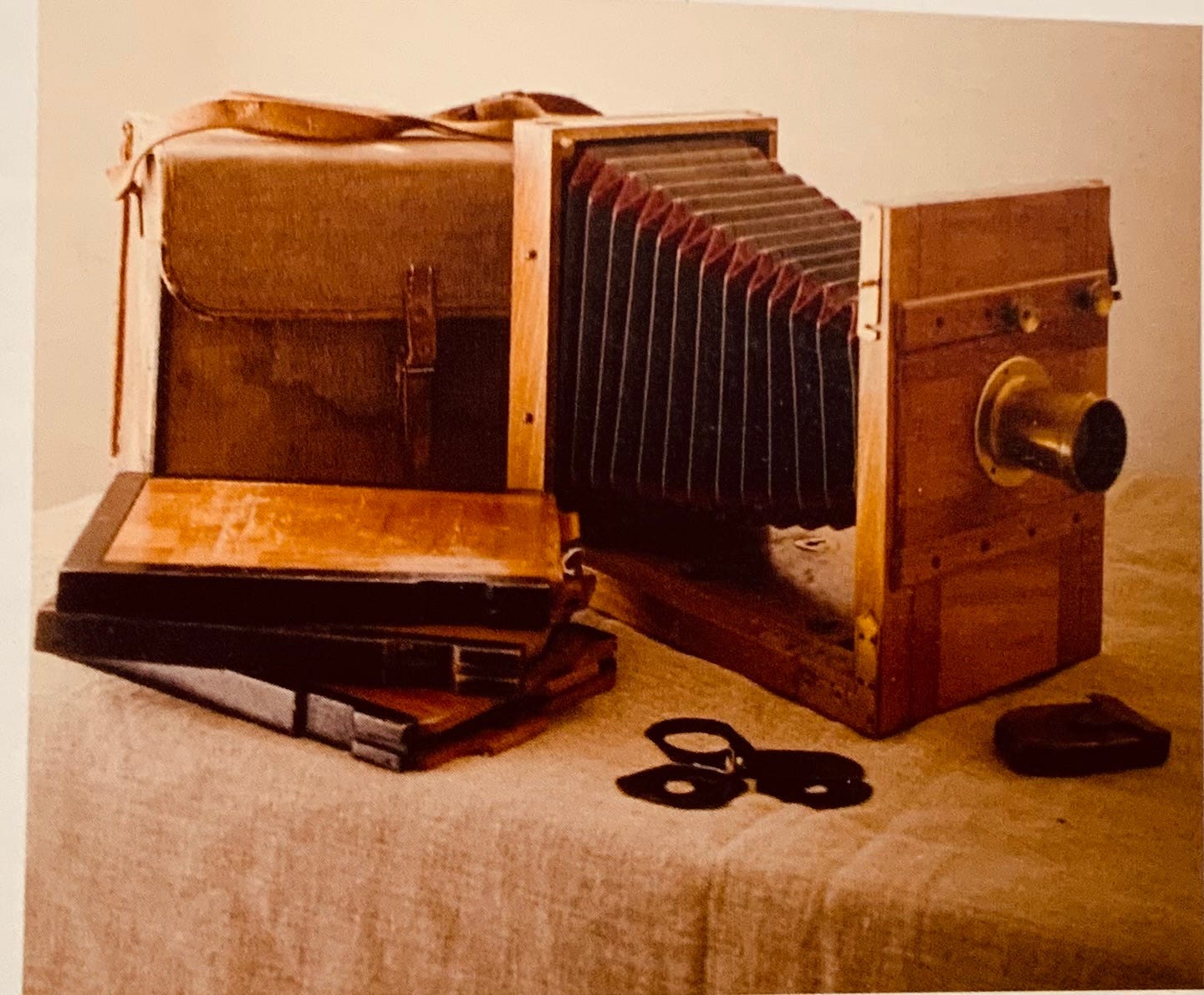
What She Made
OVER twenty-five years, Sophia Tolstoy made more than one thousand photographs.
This is not a hobbyist’s output.
This is an oeuvre.
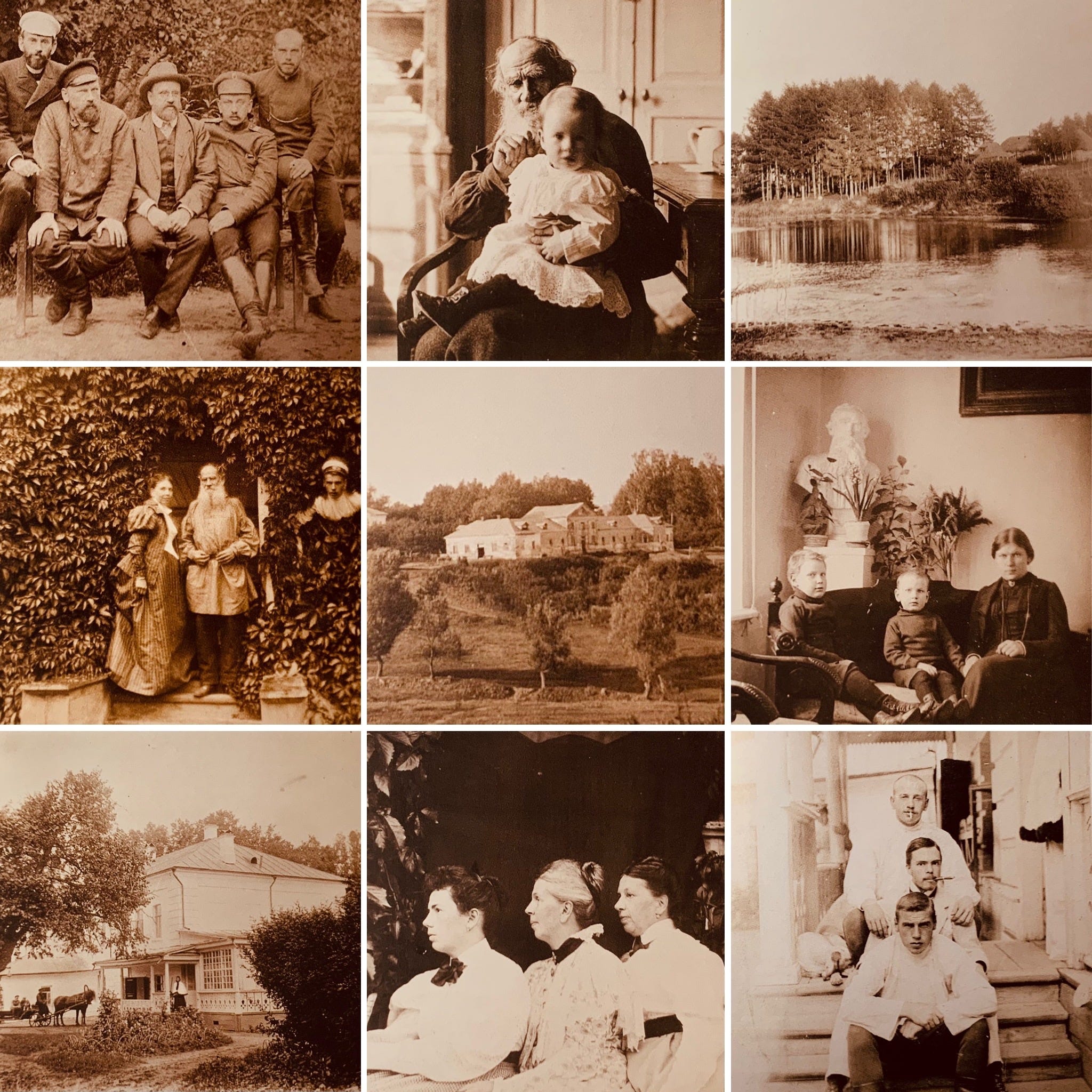
SHE photographed Lev with the terrifying intimacy of a woman who had memorized his face across four decades — not the official portraits, not the commissioned icons, but the man at his desk, in the garden, on a horse, growing old. These images do not genuflect. They study. There is a difference, and it is everything.
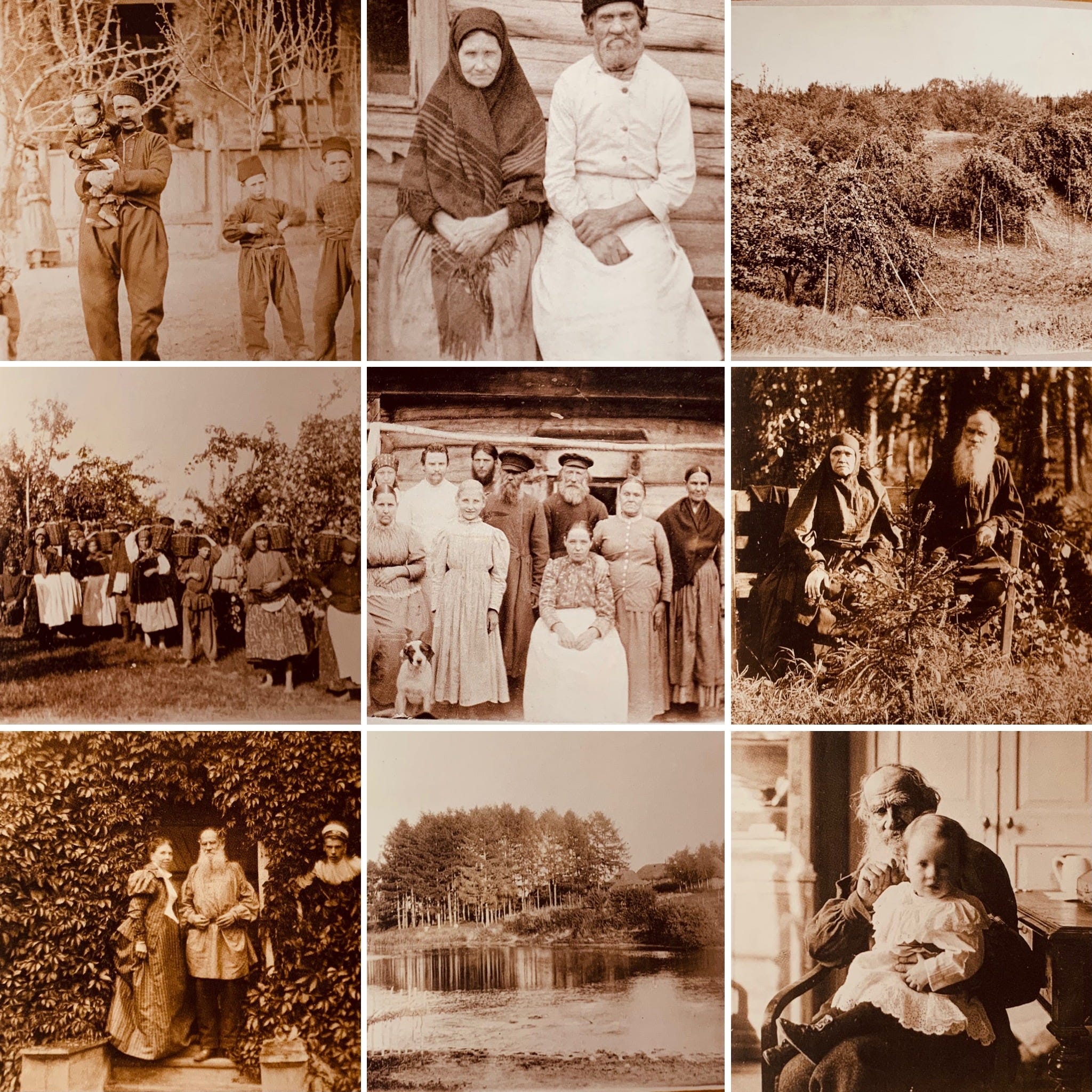
SHE photographed the estate workers and the peasants, not with the detached anthropological gaze of the era’s fashionable documentary photographers, but with the eye of someone who knew these people’s names. She photographed the apple harvest and the winter light and the way snow settled on the birch trees at dusk. She photographed Moscow balls so precisely you can read the boredom on the guests’ faces. She photographed the famine of 1891 with a directness that predates photojournalism by a generation.
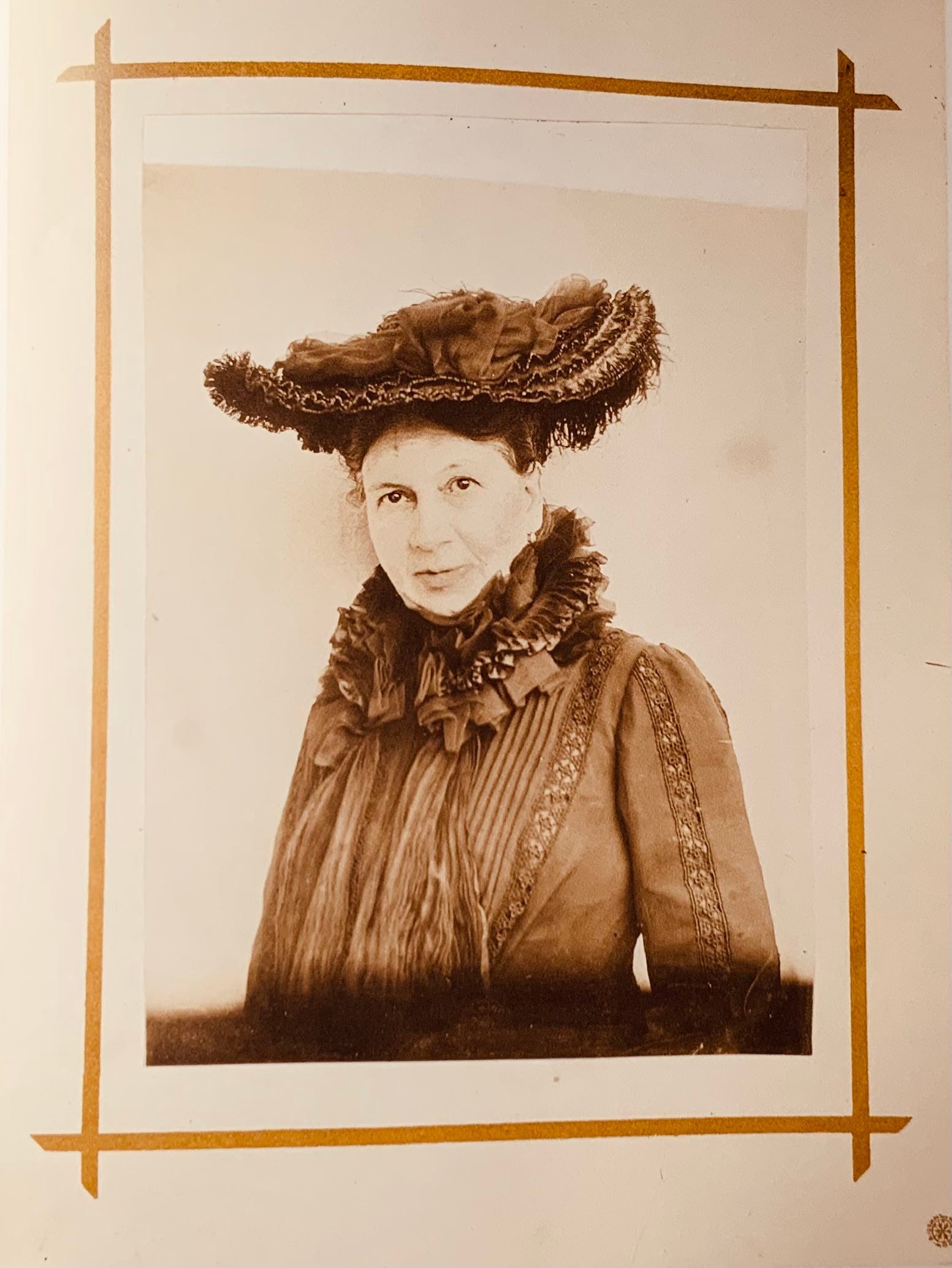
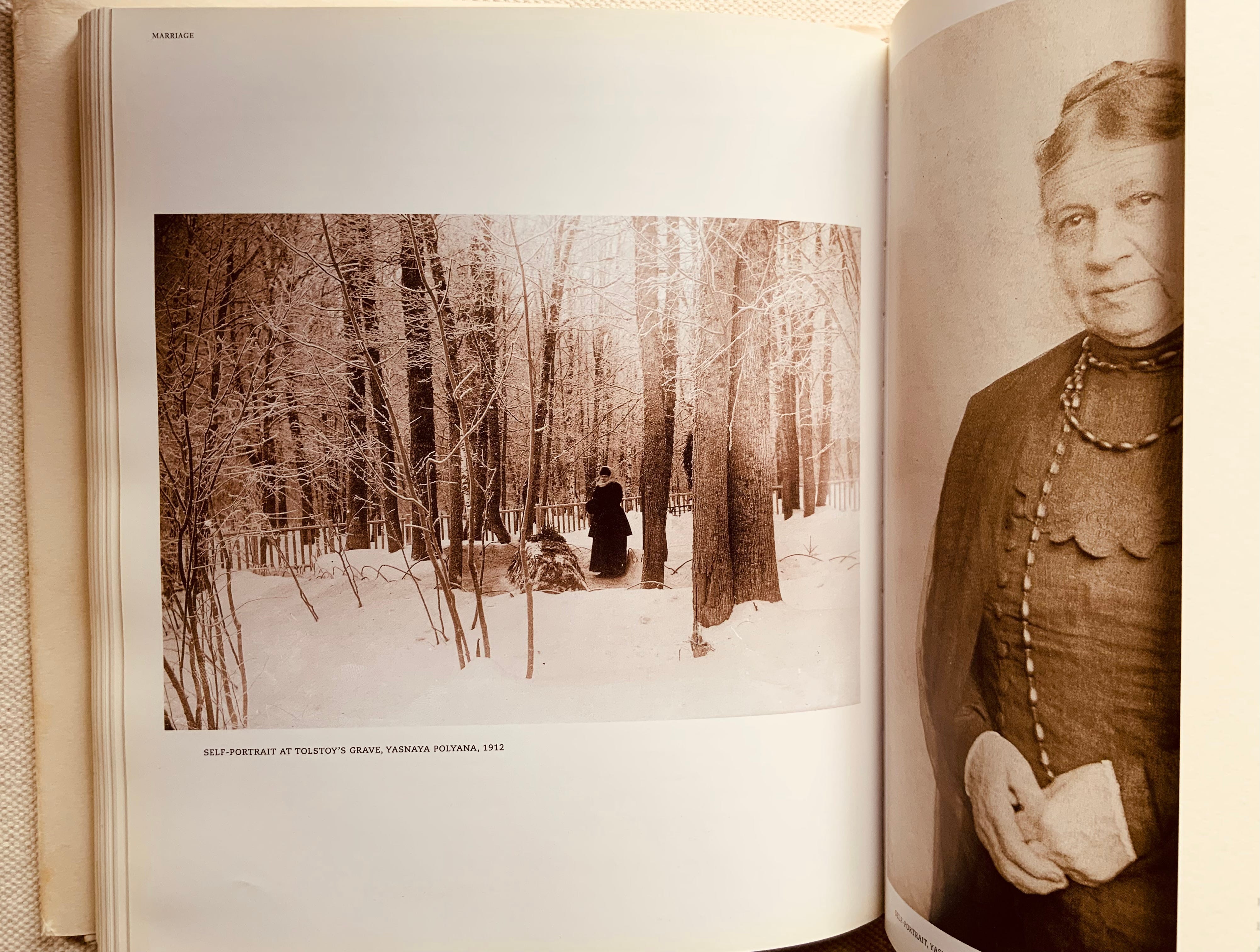
AND she photographed herself. Her self-portraits — staged, composed, formally ambitious — are perhaps the most startling work in the archive. They are not the candid snapshots of a woman amusing herself. They are deliberate constructions, a woman examining her own image with the same unflinching clarity she brought to everything else. Scholar Leah Bendavid-Val has noted that Sophia was “greatly ahead of her time” in this practice. Ahead of her time. In a closet under a staircase. In 1897.
Her self-portraits were not candid snapshots. They were formal constructions — a woman examining herself with the same unflinching clarity she brought to everything else.
The Candy Boxes
WHEN Bendavid-Val began the research that would become her 2007 book, “Song Without Words”: The Photographs and Diaries of Countess Sophia Tolstoy, she found the photographs at the Tolstoy Museum in Moscow stored in candy boxes.
CANDY boxes. Slowly deteriorating. Considered — the museum’s word — of only “minor interest” beside the manuscripts of the great man.
THIS is how female creative work gets lost.
Not through dramatic destruction. Not through fire or flood or deliberate erasure. Through institutional indifference. Through the assumption that what she made could not possibly be as important as what he wrote. Through candy boxes in a storeroom that no one thought to open for a hundred years.
THE 180 images Bendavid-Val reproduced in “Song Without Words” — the first time most of them had ever been seen — revealed a visual archive of staggering range and compositional intelligence. Not the work of a dilettante. Not the charming hobby of a great man’s wife. The work of an artist who had developed, over twenty-five years of stolen hours and closet darkrooms and guilty diary entries, a genuine photographic eye.
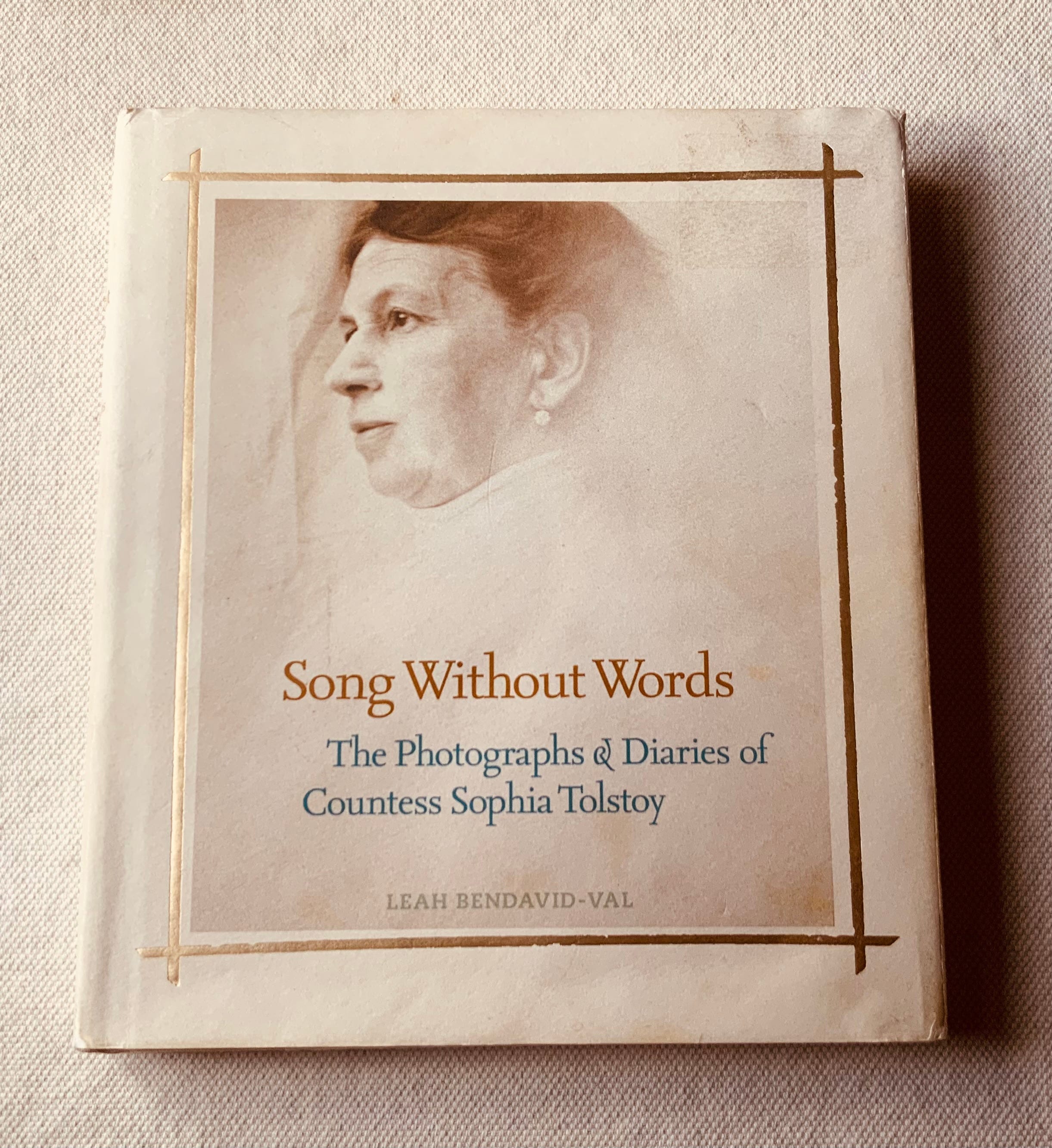
BENDAVID-VAL notes that the photographs sweep from fashionable Moscow society to devastating famine, from intimate family portraiture to sweeping landscape — and that across all of it, the compositional instincts are consistent, assured, entirely Sophia’s own. She was not imitating anyone. There was no one to imitate. She was simply looking, and recording what she saw, with a clarity that the century around her did not deserve.
The photographs were found in candy boxes. Slowly deteriorating. Considered of only “minor interest” beside the manuscripts of the great man.
The Smear and the Silver
HISTORY did not treat Sophia Tolstoy kindly, and the reasons are worth naming. Vladimir Chertkov — Lev’s disciple, his self-appointed keeper of the flame — waged a campaign against her in the final years of her husband’s life that was meticulous in its cruelty. He controlled access to Lev. He intercepted correspondence. He worked, systematically and successfully, to position Sophia as the villain of the final act: hysterical, grasping, the obstacle between a saint and his transcendence.
IT worked.
His version of Sophia is the one that passed into the historical record. His caricature is the one most of the world inherited — the shrieking wife, the impossible woman, the reason Lev died fleeing his own home at eighty-two years old, on a train to nowhere, in November cold.
BUT here is what a caricature cannot do: it cannot descend to a closet under a staircase and develop a glass plate in complete darkness. It cannot compose a self-portrait. It cannot spend twenty-five years recording an entire civilization with the eye of someone who loves it and grieves it simultaneously. A caricature is flat. Sophia Tolstoy left behind a thousand images proving she was not.
SHE also — this is the detail that history keeps forgetting — saved his legacy. When Lev renounced his copyright and his property in a gesture of spiritual theater, it was Sophia who retained the publishing rights and used the income to keep the family solvent. She published his collected works. She preserved the estate. She protected the manuscripts he had handed to Chertkov to spite her.
SHE did all of this. And then she went to the closet under the stairs and made her photographs.
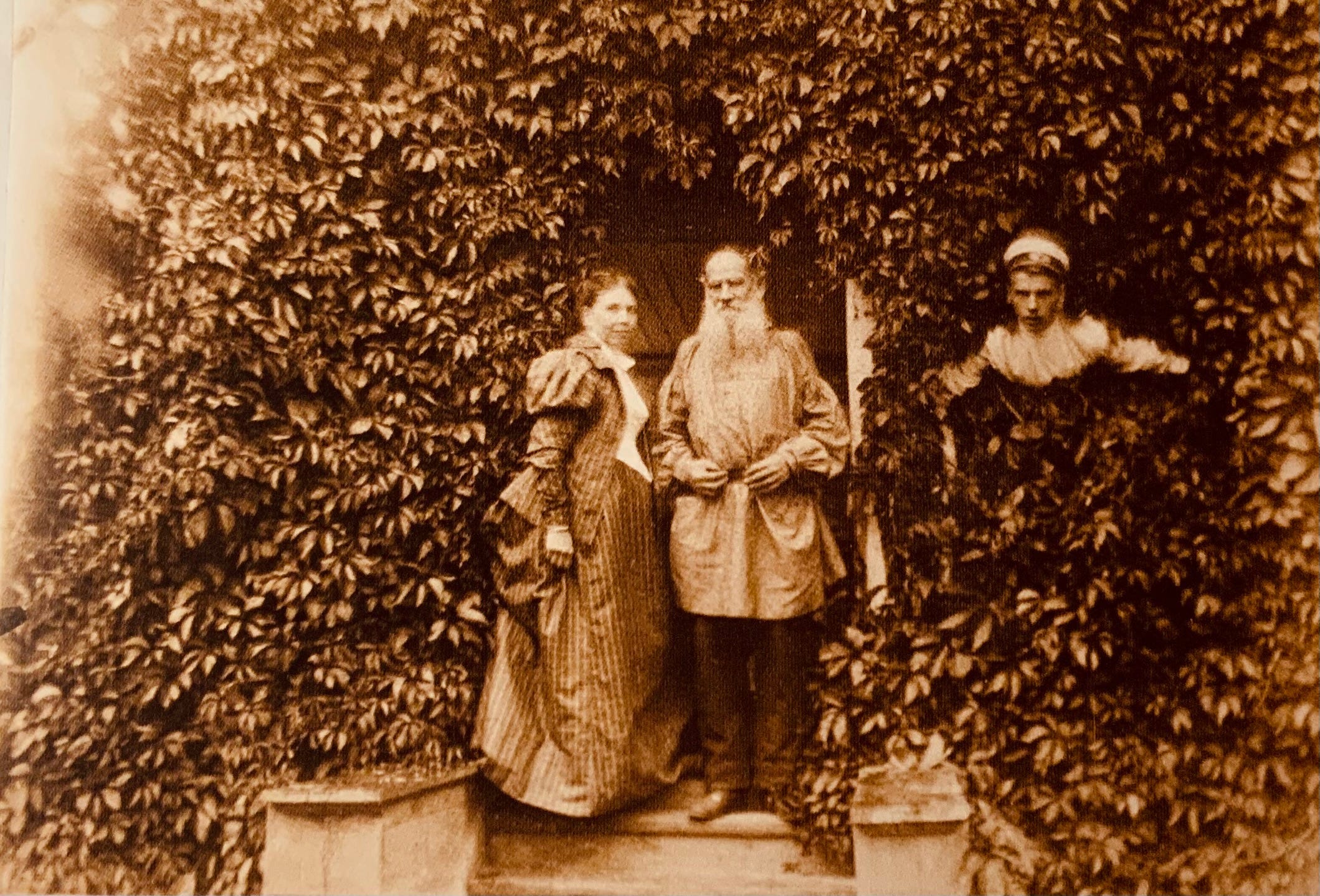
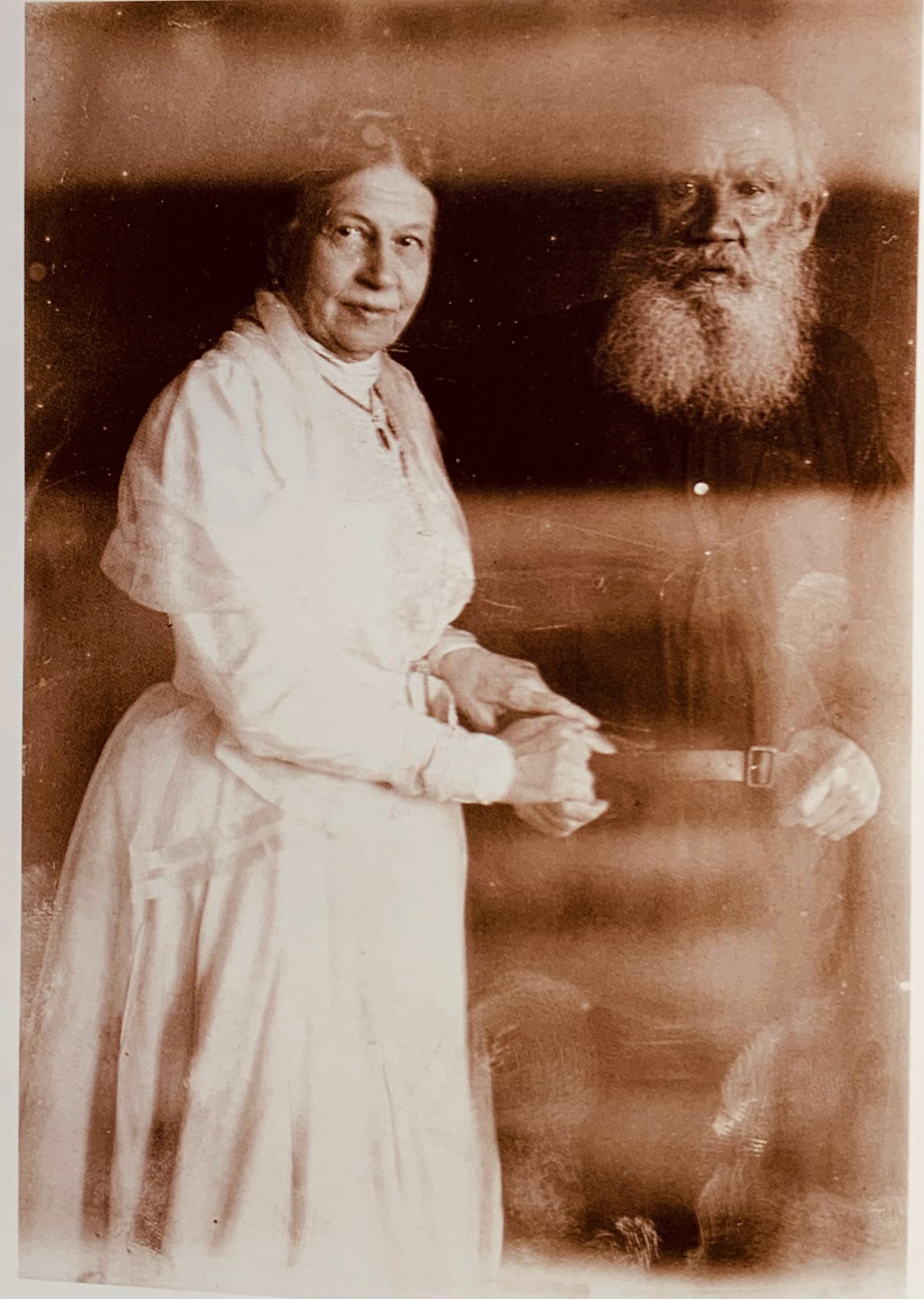
There is a Sophia made of Lev in the early 1900s. He is standing in the garden at Yasnaya Polyana, bearded, ancient, enormous in his legend. She is not in the frame. She never put herself in the frame with him — the self-portraits are always solo, always hers alone.
She gave him immortality with the camera. She claimed her own with the same instrument. The man is in the frame. The artist is behind it.
They gave her a closet under the stairs.
She turned it into the most important darkroom in Russian history.
Sofia Tolstoy died in November 1919
The world, had it been paying attention, ought to have wept twice —
once for the woman,
and once for its own spectacular failure to see her.
She had raised thirteen children, photographed thousands of images with the eye of an artist, painted portraits, kept a diary of blistering honesty, sat down by lamplight — by hand, again and again and again, eight times over — to transcribe and edit War and Peace…All the while ran a vast estate with the cool precision of a general, shepherding her family, her home, and everything she had built intact through the full, shattering tumult of Russian history and revolution.
She was not a footnote.
She was not a wife.
She was iron wrapped in silk, and she burned.
Read More from The Magpie Chronicles:
The Magpie Chronicles is written by M Sebastian Araujo from a small house in Groton, Vermont, where the winters are long and the opinions are longer. It is a place for fashion, memory, beauty, the occasional digression, and the firm belief that how one dresses is never merely about clothes.
If you enjoyed this post, hit the ♡ to let us know.
If it gave you any thoughts, please leave a comment.
If you think others would enjoy it, hit re-stack or share:
If you’d like to read more:
And if you’d like to help create more Juke, upgrade to a paid subscription (same button above). Otherwise, you can always help with a one-time donation via Paypal or Venmo.
 | A guest post by
|
Thank you everyone at JUKE
What an honor to have my work among all of the genius works published by Tonya every week.
Fascinating.