
How the Sea Became a River
All of them swam towards the rivers of their birth...

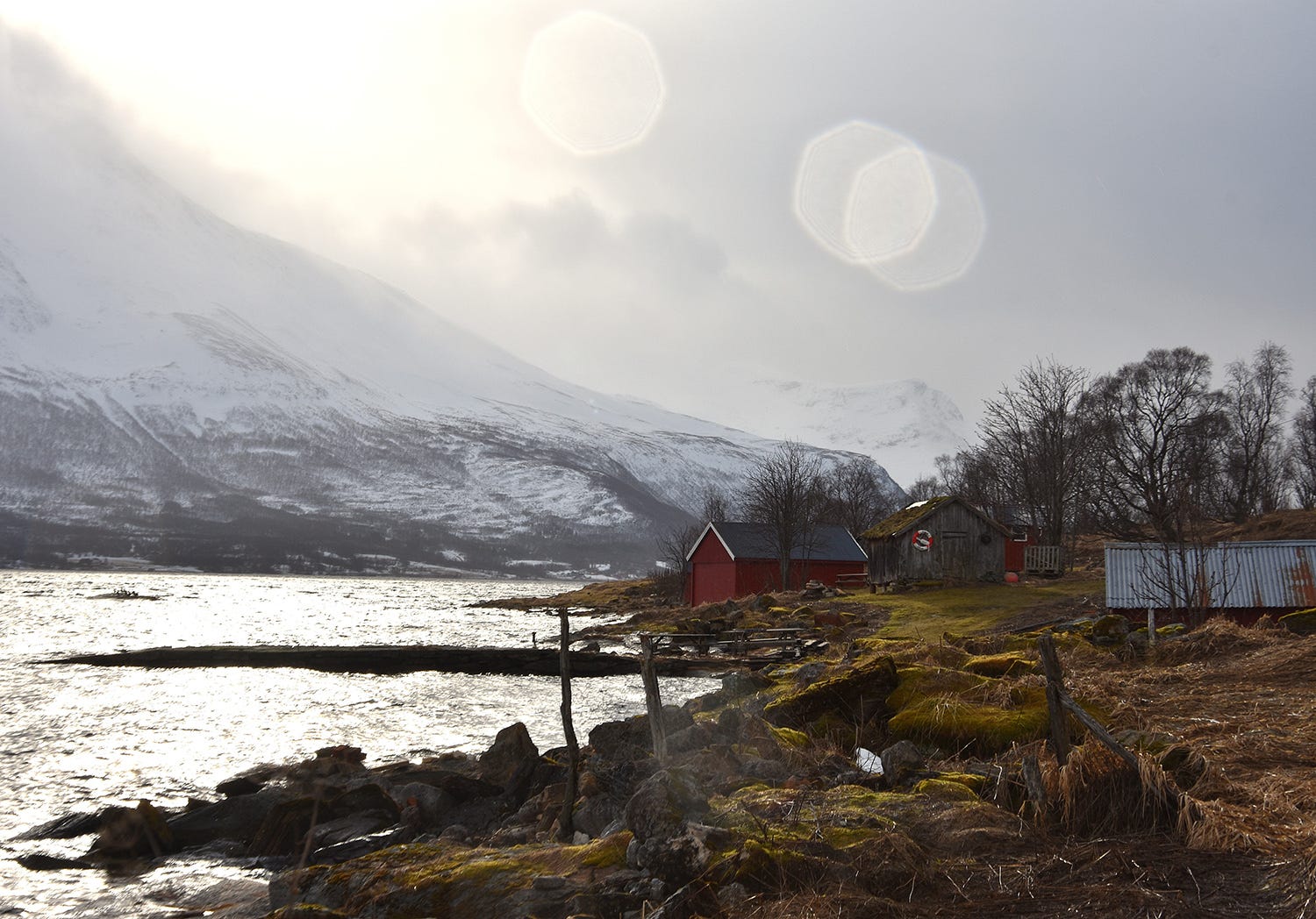
Was it yesterday afternoon that the snow arrived and dashed the world mere days after we believed it was spring? There had been reports that the hestehov were in bloom and from the house, from the living room, from the large window in the living room, he looked outside and saw where the strait narrowed into a gap between the south shore of island and the north shore of the mainland, and it was in this gap where the tides were strongest, right there, right where he looked every day and he could see the location where boys, dogs, clumsy old fishermen, and distraught women disappeared beneath the sea, drowned, as it were, by grief or accidents, though this morning as he looked, the clouds were dense enough that he could stare at the sun without hurting his eyes, for the sun appeared pale blue behind the clouds and seemed to be floating closer to the earth and closer to where the strait narrowed between the island and the mainland, and it was here that the sea became a river or what could have been a river, a river in which thousands of salmon migrated to and from their homewaters to the sea and back again, and he could see the salmon leaping, leaping so high and arched that for a moment less than a moment sunlight pooled beneath their silver bodies as they re-entered the water with a sound less than a whisper, and he could see schools of salmon beneath the surface of the sea, thousands of them swimming towards their native beds and spanning pools, and some of them, the oldest and most magical among them swam in the corridors of ancient rivers, and all of them swam towards the rivers of their birth, and it was morning and this was the view from the large window in the living room, from the slim recliner where he sat, placed between the coffee table and the floor lamp in the corner
The coffee was cold, though he drank it, and it did not taste good—nothing tasted good, which was a fact of his condition, a minor fact among the other conditions that he could not control, but he went on staring at the sea that was now a river, and when he stared he sometimes picked at the scabs behind his ear and on his neck, though he thought of his heart, of his heart of hearts that had been compromised by new wounds, new scars, and he picked at those, too, at those wounds with consequences as specific as some cancers, considering how they might metastasize or where in the body they could spread or whether they had touched the nerves or bones, yet the wounds of the heart hold fewer certainties than most cancers, given all the whys and hows and questions about what could have been or should have been shifting in his heart, shifting within the registers of memory or pain or some glimmer of disillusionment of what might have been or what might have been the truth until the heart decides with pathetic confidence that what was will never be again, that the vast ocean of a lover who once waited at the center of a heart will never eclipse the secret intimacies of a river, and he leaned forward from the recliner and took up the coffee cup and sipped the cold coffee and it tasted bitter enough to waste, bitter enough to pour down the sink simply and easily and with hardly a thought, but instead he set the cup back on the table, willing to drink the rest, willing to drink it cold
In the same strait between the island and the mainland and not many years before the work of cancer and the work of his heart he had caught a large halibut while fishing from a small boat, this on an early morning when he let his line and lure sink and sink and sink into the frigid water, the line nearly deep enough to snag the bottom of the sea, and he waited as his friend steered the boat and he fished and dreamed of fishing and dreamed of a day in the future when he would dream of himself and his friend in this very boat on this very day in this very sea fishing, but then a fish took the lure and he knew it was a big fish since he could feel the strength of the fish pulling against the line and the pole and his hands, pulling at his heart that beat harder as he felt the power of the fish and he pulled and pulled and the fish pulled and he ground his teeth as they pulled against each other, while his friend shouted instructions to be calm, be patient, fight the fish steadily, chastising his antics and the fierceness he used to fight the fish which could cause him to lose it, but he did not listen and he reeled the fish up from the bottom of the sea with strength and skill and he decided to kill it, though in the end maybe both of them killed the fish, because it was his friend who gaffed the halibut and heaved it into the boat and they both stood by as the fish struggled, flopped and thrashed and sprayed them with saltwater and slings of blood from the wound in its head where the gaff had struck, and he felt that he had won the battle, he had won, the great fish was dead and filthy in the bottom of the small boat, and yet it also saddened him, for the halibut was old and strong and should have lived a longer life, but he did not say anything, he did not say anything to his friend, with age and some wounds he had learned to say less and less, for it was too much anymore to give away parts of the self when less and less had been given or when to say anything might risk another wound, another dismissal, another criticism that his life came at the expense of other lives and yet he, damn him, would justify the expense, which is to say he would justify his life, so what was there to say, though the stories did not end nor did the big fish nor the remote waters or other trips in other boats or afternoon trips to the city only to see the windows at dusk and trips to other cities he never told anyone about, not about the trips, not about the cities, not about the things he saw there or how those places made him feel, and over time he took them away, he took away the stories, he took away his voice, he took away his words and the old reverence for words both tender and closer to himself, uttered in some long ago, and this silence, his silence came at a cost
He drank the last of the cold coffee and decided not to brew a second pot, for the morning was changing and the sun had become the sun again and he could not stare at it anymore and the mystery of the pale blue sun was already stored in his memory and perhaps he would find it later and it would warm him when he did, and with the change there were more birds flying over the sea and some of them flew close to the water and some of them hunted along the shore, the seagulls, the ravens, the jackdaws, and the sudden white flocks of snøtitting that had arrived early this year, earlier than the cuckoos that would claim the birch forest across the road, and when he could walk into the forest or into the hills, he would listen for the cuckoos and he hoped he would hear one and afterwards scribble a note in his journal about their return as people had done for centuries, and he would do just that, just that, a promise to himself, that when the day came and he was well enough to go outside and listen for the bird and hear its call, he would scribble a note to honor this small wonder in a world of what seemed like and was in fact one of fewer and fewer returns, yet today was Sunday, the day when the heart is most vulnerable to absence, vulnerable to love, both love sustained and love abandoned, vulnerable to regrets, and tomorrow was Monday and the treatments would start again and he sat forward in his chair and glanced outside and saw that the sea had become the sea, though perhaps the schools of salmon still passed in darkness through those channels where they could not be caught, then he stood up and wrapped his neck in a scarf and covered his head with a cap, slowly, deliberately, now at last another rag upon a stick, as sunlight filled the living room and he had covered himself as he had promised someone else he would do, promised to protect the wounds and to protect tomorrow and all the tomorrows he could almost believe in—
Damon Falke is the author of, among other works, The Scent of a Thousand Rains, Now at the Uncertain Hour, By Way of Passing, and Koppmoll (film). He lives in northern Norway.
Oh damon. oh, damon.
Would that it were fiction, I thought.
The early part of the story, with the salmon, reminds me of Tennyson's "Crossing the Bar."